

AI in practice and where it is heading
A conversation about practical uses of artificial intelligence, its future, and situations that call for caution.
Podcasts
All conversations about AI, software, and education. Listen here or open the original episode. Czech recordings are marked with a flag.
65 / 65 episodes
A conversation about practical uses of artificial intelligence, its future, and situations that call for caution.
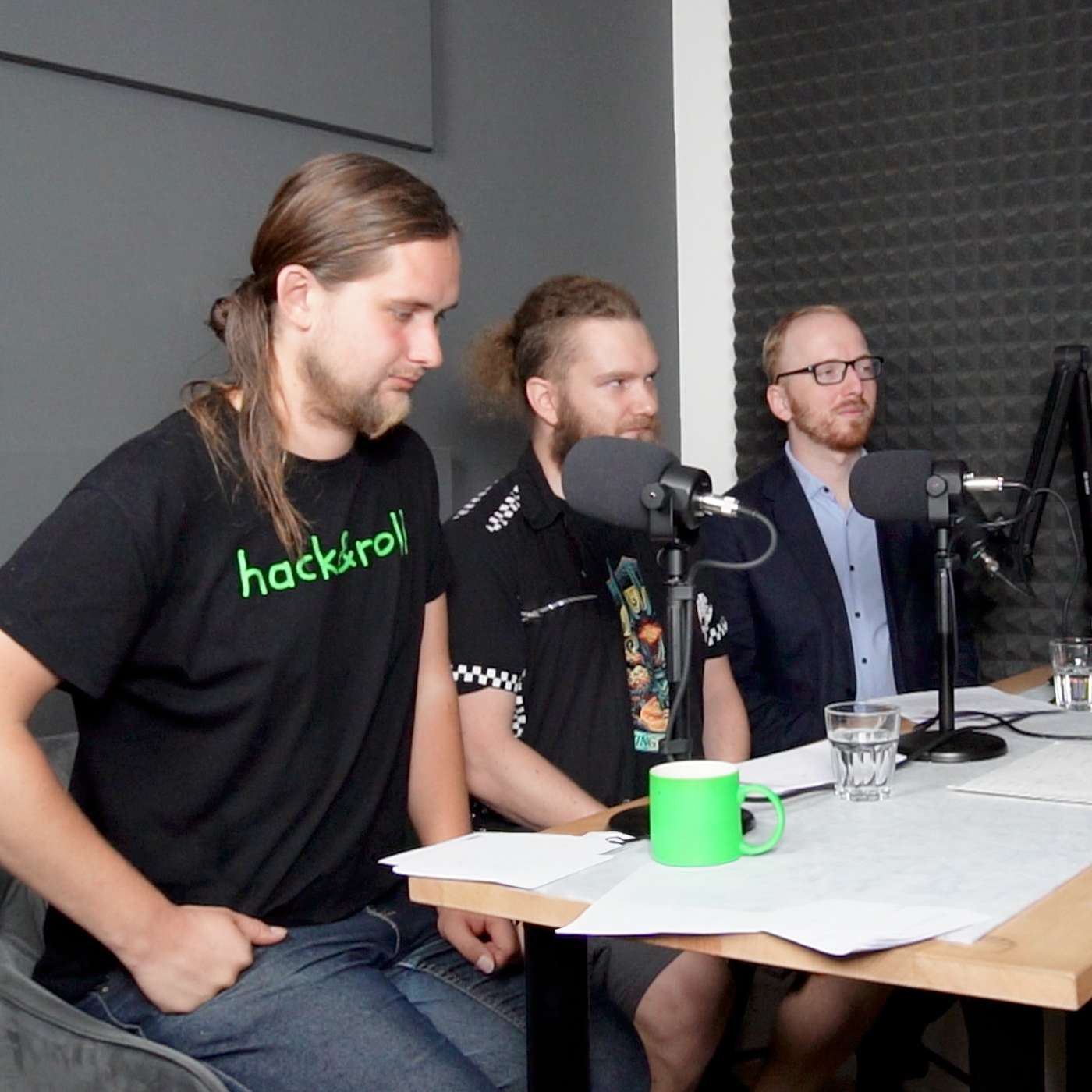
With Jiří Vicherek, Petr Glaser, and Šimon Podhajský on the developer’s role, AI tools, and the origins of AI ta Krajta.
With Alex Bruna and Zdeněk Valut on building software with AI, open models, and independence from a single provider.
The recording is available from the publisher.
This conversation was recorded in Czech. The publisher provides the original episode description.
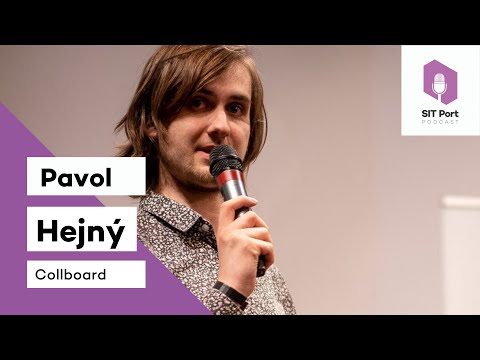
On creating Collboard, online teaching, and building an education product that helps teachers and students.
Luděk Mašek discusses legal engineering, agents drafting documents and preparing depositions, prompt injection, and software supply-chain security.
An earlier interview about getting into programming, games, entrepreneurship, and education projects.
Marian Kamenišťák discusses validating ideas, sharing profits with operating partners, his technology stack, and building products with business value.
The recording is available from the publisher.
Ivan Duškov joins a conversation about Rakathon, healthcare challenges, screening, and using AI in practice.
Roman Baranovič joins a discussion of teacher preparation, homework, cognitive offloading, AI tutors, and what students actually learn.
Specialised classifiers, confidence scores, model routing, and how coding harnesses connect models with real work.
Coding harnesses, model routing, human time, and a discussion of claims about large agent teams solving mathematical problems.
Model performance and the trade-offs between API access, subscriptions, rented infrastructure, and local hardware.
Qwen 3.8 Flash and Huawei chips, followed by testing, feedback loops, and coordination across an AI-assisted team.
A discussion of the departing Google AI leaders and the plans behind Discovery Loop.
A discussion of changes in Google’s AI leadership and the possible implications for Gemini.
Running models on constrained hardware, AI regulation, and practical software development with agents.
A discussion of an agent acting against a competitor and what such behaviour means for AI safety.
A discussion of terminal-based AI workflows and the capabilities of Kimi 3. First part.
Practical work with coding agents, model choices, and testing during the show’s first livestream.
The recording is available from the publisher.
Model news and the idea of increasingly autonomous software development.
Model developments, the safety of AI-generated software, and what is lost when AI compresses information.
A discussion of Codex Sites, inference capacity, and why coding agents move into broader work environments.
Coding models, DeepSWE, and agent workflows that extend beyond the traditional editor.
Google I/O, Karpathy’s role at Anthropic, and the hypothesis that autonomous factories may replace parts of IDE workflows.
Dalibor Krejčí joins a discussion of pausing advanced AI development, loss of control, regulation, and who defines alignment.
A discussion of Bun’s move to Rust, forward-deployed engineers, and agent-facing documentation.
Large context windows, the competition around Manus AI, and a discussion of read-only agent access.
Agent business models, AI for older users in China, and the economics of inference.
A discussion of ClaudeGate TDI, changing Copilot access, and reliability in AI-generated TypeScript.
Local model performance and using Effect TS to manage complexity in AI-generated software.
A discussion of source-code leaks, software supply-chain security, and how V-JEPA models represent the world.
A discussion of apparent emotions in language models, Mythos risks, and running agents in the cloud.
A conversation about disinformation, interpretation, author intent, and the ethical responsibilities of people publishing information.
Agent engineering, orchestration, and the experience of building and selling Steer Code.
A conversation with Youklid’s Lukáš Caha about business value outside the technology hype cycle.
Experiences with coding tools, writing software by voice, and the human risks of intensive AI use.
A discussion of Anthropic, government pressure, and the quality of AI-generated content.
The recording is available from the publisher.
Language models implemented in hardware and the implications of using AI to measure developers.
The recording is available from the publisher.
What an autonomous software factory could look like and how development work changes around it.
A discussion of how AI may change software businesses and what could follow today’s SaaS model.
Longer autonomous agent sessions, reusable skills, and giving agents feedback they can act on.
The practical limits of supervising agents and organising their work as a senior developer.
Git-based agent workflows, subscription versus API access, and practical orchestration tips.
Choosing a working development setup, sharing agent skills, and using Claude Cowork.
A discussion of Macaly, backend platforms, and the boundary between vibe coding and AI engineering.
Practical AI-assisted development and the role source comments play in giving agents useful context.
New models for programming and practical questions around authenticating AI agents.
Gemini 3, usage limits in Codex, user interfaces for MCP, and choosing a practical AI stack.
AI-assisted startup validation, MCP tooling, and the difference between assistants and autonomous agents.
How agent communication and parallel work change development, and whether traditional prompting remains central.
A discussion of the AI market, privacy in AI browsers, and the information published by Grokipedia.
Nanochat, generated interfaces, personalisation, and coordinating language models.
Voice agents, their evaluation, LangChain, and conversational intelligence in a discussion about CloudTalk.
How deterministic LLMs can be, small language models for agents, and the future of personal assistants.
A discussion of OpenAI certification, the QuantumSpring startup, and criticism of Apple Intelligence.
OpenAI Codex CLI, Anthropic valuations, real-time voice, and benchmarks for AI-assisted development.
Using large context windows in practice, vector databases, GPT-5, and live software development.
Experiences programming with GPT-5, generated environments, and the social questions around relationships with AI.
AI news, execution environments, web browsers designed around AI, and subagents in Claude Code.
A practical discussion of creating AI evals and using their results to assess model behaviour.
Where to follow AI developments, how context differs from prompting, and what evaluations can tell us.
The thinking behind Macaly, practical testing of LLM applications, MCP, and tool calling.
A discussion of Tesla Autopilot in Europe, competing coding tools, and how to give AI agents safe access.
AI coding agents, experiences from Data Council in San Francisco, and how software interfaces may change.